 Creating confident smiles
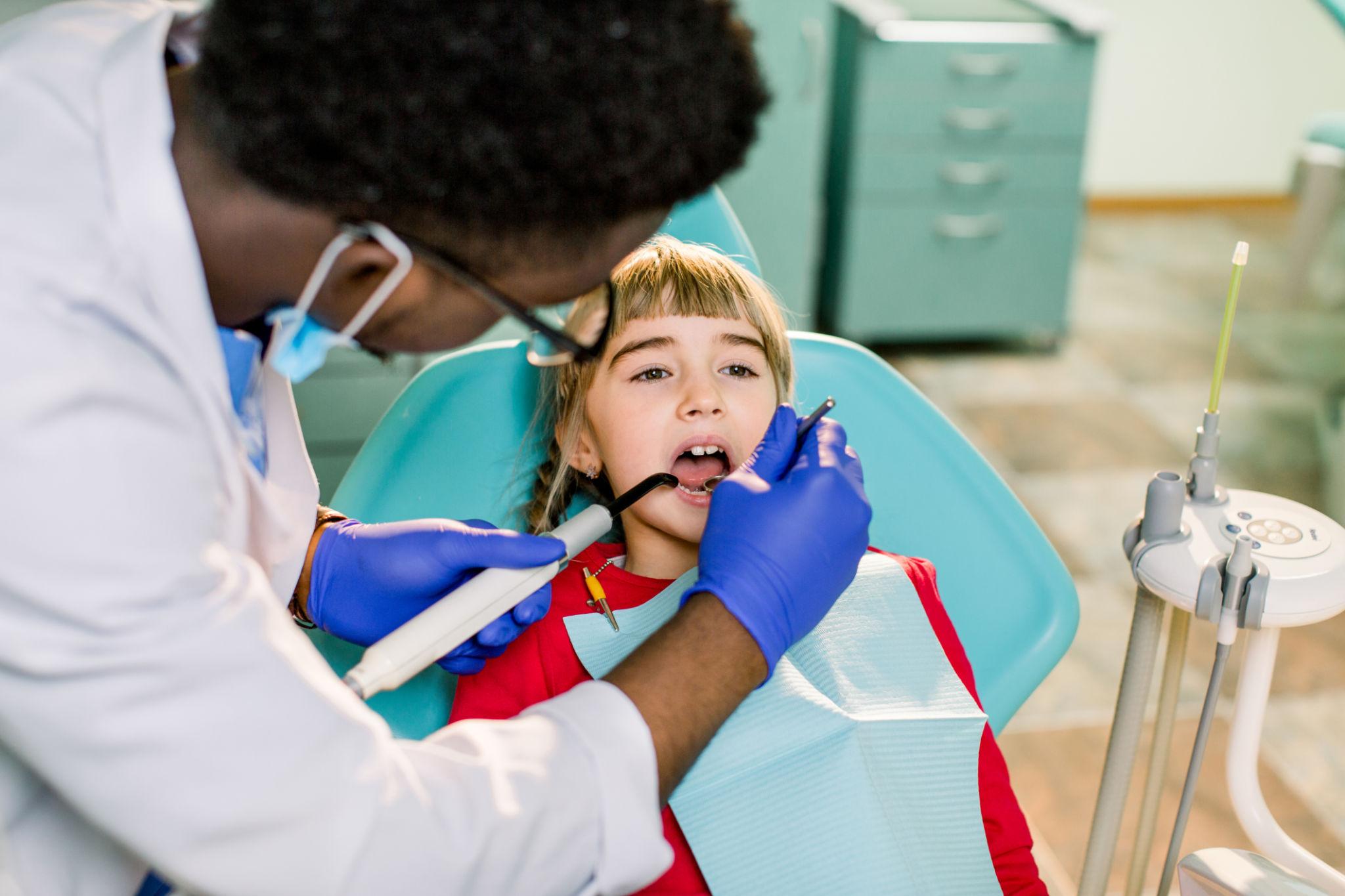
Baby Bottle Caries or Early Childhood Caries
Baby bottle caries, also known as early childhood caries (ECC), affects infants and young children. Repeated exposure to sugary liquids, especially at night, increases the risk of decay.
What causes early childhood caries?
- Frequent night-time bottle feeds with milk or sweetened liquids
- Sleeping with a bottle in the mouth
- Frequent sugary drinks and snacks
- Inadequate oral hygiene
- Frequent nocturnal feeding after teeth erupt can also contribute to risk
Early signs and symptoms
Look for chalky white spots near the gumline, brown or black marks, cavities, sensitivity and pain while eating. Severe cases may cause rapid damage to primary teeth or swelling. Early decay may be painless.
How is it diagnosed?
A dentist examines the child's teeth and gums, assesses feeding, diet, plaque and fluoride exposure, and may recommend dental X-rays when clinically indicated.
Treatment options
- Fluoride varnish: may help remineralize early lesions.
- Silver diamine fluoride: may arrest selected cavities but permanently darkens decayed areas.
- Dental fillings: restore appropriate cavities.
- Pulp therapy: may be needed when decay reaches the pulp.
- Crowns: stainless-steel crowns provide durable coverage; aesthetic zirconia crowns may be suitable in selected cases.
- Extraction: may be needed for non-restorable or unmanageable infected teeth.
Children's dentistry at Wisdom Dental Clinics
Under the guidance of Dr. Gaurav Gupta, the clinic describes single-visit pediatric zirconia crown preparation with CEREC chairside digital technology and Dentsply Sirona intraoral scanning. Nitrous oxide sedation (“Happy Gas”) may be considered for selected anxious or non-cooperative children. Dr. Neelja Gupta uses behaviour-guidance techniques to help children feel comfortable.
How parents can help prevent decay
- Brush twice daily with an age-appropriate soft toothbrush.
- For children under three, use a smear/rice-grain-sized amount of fluoride toothpaste; for ages three to six, a pea-sized amount with adult supervision.
- Reduce between-meal sugary drinks and snacks; encourage water.
- Avoid putting a child to bed with a bottle containing sugary liquids.
- Arrange the first dental visit when the first tooth erupts and no later than the first birthday.
- Follow the recommended dental check-up schedule.
Why baby teeth matter
Primary teeth support chewing, speech, facial development and space for permanent teeth. Untreated decay can affect eating, sleep and comfort.
When to seek help
Ask for a dental examination if you notice spots, cavities, sensitivity or pain. Facial swelling or fever with dental symptoms needs prompt evaluation. Difficulty breathing or swallowing is an emergency.
Conclusion
Early detection, appropriate fluoride, good oral hygiene and healthy feeding practices can protect a child's smile.
This article is for general education and does not replace an individual examination or treatment plan from a qualified dentist.